PUBLISHED ON - 27 Nov' 2026
Window Design Ideas for Modern Homes
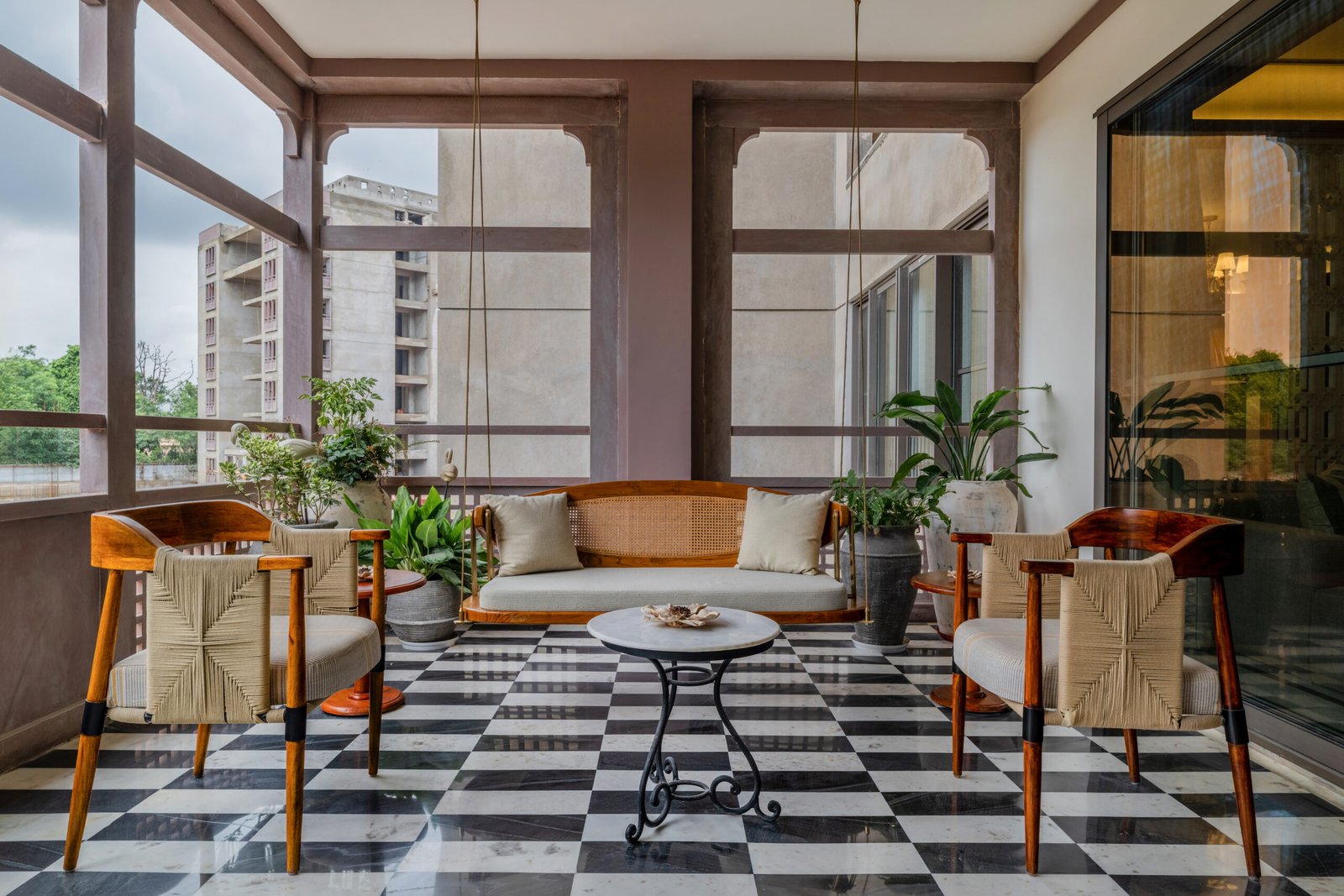
Use sliding or casement windows with uPVC or aluminium frames, double glazing and a simple, safe grill. Then size each window for light and airflow.
The best house window design for a modern Indian home brings in plenty of light without letting in heat, dust or noise. It should also keep the family safe, which is where grills come in.
Windows do more than frame a view. They decide how bright a room feels and how hot it gets in May. They also decide how much dust settles on the floor. In a city like Jaipur, that last part matters every single day.
This guide covers window types, frame materials, glass, grill designs and a few local ideas worth borrowing.
Common types of home window design
Each window type opens in a different way. That changes how much air comes in, how well it seals and how much space it needs. Here are the types you will see most in Indian homes:
- Sliding windows: panels slide sideways, save space, suit bedrooms and balconies
- Casement windows: open outward on hinges, seal tightly, let in the most air
- Fixed or picture windows: do not open, give a wide view and lots of light
- French windows: tall glass doors that open onto a balcony or garden
- Bay windows: stick out from the wall and add a small seating nook
- Louvred windows: angled slats for airflow in bathrooms and kitchens
- Tilt-and-turn windows: tilt open at the top for air, or swing open fully for cleaning
Sliding windows are the most common choice in apartments. They don’t swing into the room or out over a ledge. Casement windows seal better against dust and noise, which helps on busy roads.
A good house window design often mixes types. A fixed glass panel in the centre gives the view. Casement or sliding sections at the sides let air in. This works best where there is something worth looking at. Villa-style apartments set among greens, like Akshat Sky Homes, gain the most from wide garden-facing glass.
Best house window design for each room
Knowing the window types is only half the job. The other half is matching them to the right room. A bedroom needs quiet, a kitchen needs airflow and a bathroom needs privacy. Here is how window type, glass and grill come together in each room:
| Room | Window type | Glass | Grill |
|---|---|---|---|
| Living room | Fixed centre panel with sliding or casement sides | Double-glazed or low-E | Slim bars or invisible grill |
| Bedroom | Sliding or casement | Double-glazed for quiet | Grill with an openable section |
| Kitchen | Casement or sliding, with mesh | Toughened | Stainless steel grill |
| Bathroom | Louvred or small casement | Frosted | Simple bars |
| Balcony | French or sliding doors | Toughened or laminated | Invisible grill |
| Kids’ room | Sliding, with a child lock | Laminated | Grill with small gaps |
| Study | Casement, ideally facing north | Low-E | Simple bars |
The next sections explain the frames, glass and grills in this table in more detail.
Which window frame material is best?
The frame decides how long a window lasts and how much work it needs. Most homes choose from four materials. Here is what each one is good for:
- uPVC: seals well against heat and dust, wipes clean, lasts about 25 to 30 years
- Aluminium: slim, strong frames for large glass openings, lasts 30 years or more
- Wood: warm and classic, but needs polishing and reacts to heat and damp
- Steel: thin, industrial lines at a lower cost, but needs painting to stop rust
uPVC is the safe pick for most flats, since it doesn’t rust or need painting. When you compare flats for sale in Jaipur, check the window frames as closely as the floor plan. Choose aluminium for big glass walls, and on upper floors ask whether the frames are rated for strong winds.
Frame colour matters too. Dark grey or black frames look sharp against light walls. Our guide to house colour combinations shows which trim colours suit which wall shades.
What glass should you use for windows?
Plain single glass lets heat straight in. For hot cities, better glass makes a real difference to how cool a room stays. Here are the main options and what each one does:
- Double-glazed glass: two panes with a gap, cuts heat and noise
- Low-E glass: a thin coating that reflects heat but lets in light
- Toughened glass: much stronger, breaks into small blunt pieces
- Laminated glass: holds together when cracked, adds safety and quiet
- Frosted glass: lets in light but blocks the view, good for bathrooms
West-facing windows take the harshest afternoon sun. Low-E or double-glazed glass on that side keeps rooms noticeably cooler. That also means less load on the AC, a point that fits Akshat’s approach to sustainability.
House window grill design ideas
A grill adds safety, but it can also make a home feel boxed in. The trick is to pick a design that protects without blocking light. Here are the options that work well today:
- Simple horizontal or vertical bars for a clean, modern look
- Box grills that sit outside the window and hold plants
- Laser-cut metal grills with jaali or geometric patterns
- Stainless steel grills that don’t rust in the monsoon
- Invisible grills made of thin steel cables for balconies and high floors
- Openable grill sections that act as an emergency exit
Safety should guide every house window grill design. Make sure at least one window in each bedroom has an openable grill. In a fire, that can be a way out. For homes with children, keep gaps between bars small enough that a child cannot squeeze through.
Invisible grills are popular in high-rise flats. They keep the view open, stop falls and are hard to see from inside. They do need a trusted installer, since the cable tension must be right.
Shading, airflow and dust: planning for Indian weather
Start with direction. North-facing windows get soft, steady light all day. South and west-facing walls take the most heat, so plan shade for them first.
Shading is the next step. A chajja, which is a small concrete ledge above the window, blocks high summer sun. Vertical fins or louvres help on west-facing walls. Light curtains or blinds do the rest.
Add a mosquito mesh to every window that opens. In Jaipur, a fine dust mesh helps too. Good rubber seals around the frame stop dust from creeping in during summer storms.
Think about cross ventilation as well. Windows on opposite walls let air flow through a room. That keeps a home fresh even without the fan running.
If you are buying a new home, ask the builder about frame material, glass type and grill style. Add these to your checklist when navigating the homebuying process.
What Jaipur’s jharokhas teach about windows
Jaipur has a long history of smart window design. The jharokha, a carved overhanging balcony window, kept rooms shaded and let breezes in. Jaali screens let women of the household look out without being seen. They also cooled the air passing through.
Modern homes still borrow these ideas. A laser-cut jaali grill brings the pattern without the weight of stone. A deep window ledge works like a small jharokha.
Sawai by Akshat at Statue Circle takes this further. It uses handcrafted jharokhas on its Bijoliya stone façades. The project has also restored more than 100 antique doors and windows from Jodhpur. You can see more of these details in the project gallery.
Conclusion
Good window design balances light, air, heat and safety. Get the frame and glass right first, since they are the hardest to change later. Then pick a grill that protects the home without hiding the view.
Plan windows by direction and room use, not by looks alone. If you are comparing new homes, check these details on site. Browse Akshat projects across Jaipur to see window styles in finished homes. Or talk to the team to book a site visit.
Frequently Asked Questions
What is the best house window design for modern homes?
Large sliding or casement windows with slim uPVC or aluminium frames work best. Add double-glazed glass to cut heat and noise. A fixed centre panel gives a wide view.
Which is better for windows, uPVC or aluminium?
uPVC seals better against heat and dust and suits most flats. Aluminium is stronger and allows slimmer frames for large glass walls. Both need very little upkeep.
What is the best house window grill design for safety?
A stainless steel grill with small gaps and one openable section is the safest choice. The openable part acts as an emergency exit. Invisible grills suit balconies on high floors.
Are invisible grills safe?
Yes, when installed properly. They use strong stainless steel cables that stop falls without blocking the view. Choose a trusted installer and check the cable tension once a year.
Which window type is best for dust and noise?
Casement windows seal tighter than sliding windows, so they keep out more dust and noise. Double-glazed glass and good rubber seals help further.
What is the best home window design for small rooms?
Sliding windows save space because they don’t swing open. A large window with a slim frame makes a small room feel brighter and bigger.
How can I keep heat out through windows?
Use double-glazed or low-E glass, especially on west-facing windows. Add a chajja or fins outside for shade. Light-coloured blinds help inside.
Which window frame colour looks best?
Dark grey and black frames look sharp against light walls. White frames suit classic or coastal styles. Wood-finish frames add warmth without the upkeep of real wood.
How long do window frames last?
uPVC frames last about 25 to 30 years, and aluminium can last 30 years or more. Wooden frames last 20 to 30 years with regular care.
featured insights
 insight