PUBLISHED ON - 26 Nov' 2026
Marble vs Tiles vs Wooden Floors: Which Tile Design Suits Your Home Best?
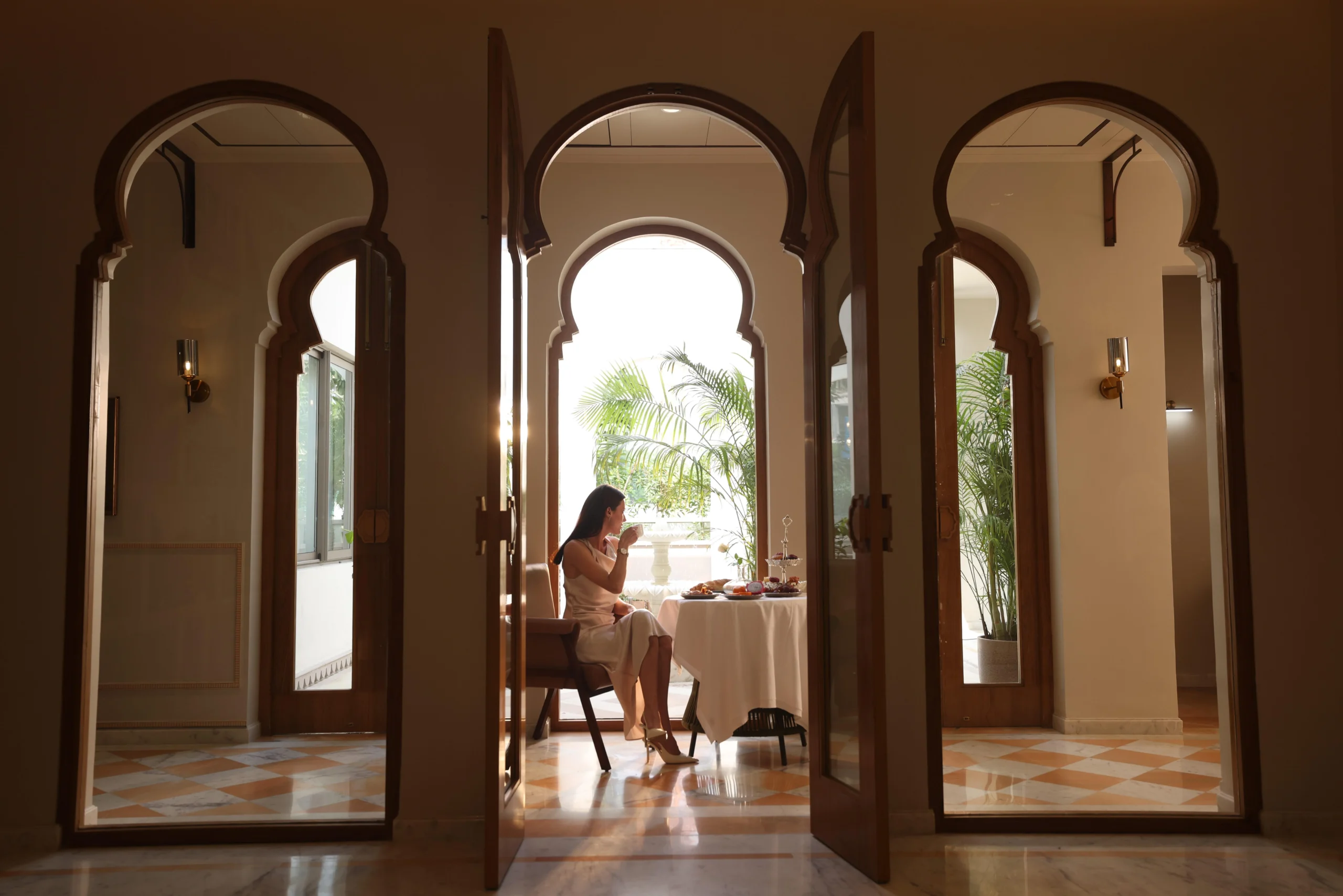
Use marble in the hall, vitrified tiles in the kitchen and bathrooms, and wood in the bedrooms. Most homes do best with a mix.
There is no single best floor for a whole house. Most Indian homes mix them. Marble goes in the living room, tiles in the kitchen and bathrooms, and wood in bedrooms. Each material does well in some rooms and badly in others.
Your choice also depends on budget, upkeep and the weather where you live. In Jaipur, the weather matters a lot. Summers get very hot, dust settles fast, and the monsoon brings damp air for weeks.
Home tiles design has also changed. Many tiles today look like marble or wood. So the gap between the three options is smaller than before. This guide explains where each floor works and where it doesn’t.
Marble vs tiles vs wooden floors: a quick comparison
This table covers the main differences between the three. Don’t look at price alone. Upkeep and water resistance decide how the floor will look ten years from now.
| Factor | Marble | Vitrified Tiles | Wooden Floors |
|---|---|---|---|
| How it feels | Cool and hard | Cool and smooth | Warm and slightly soft |
| In summer | Stays cool | Stays cool | Feels warm |
| Upkeep | Seal once, polish every few years | Regular mopping | Dry mop only, refinish later |
| Water resistance | Good if sealed | Very high | Low (engineered wood is better) |
| How long it lasts | Decades, can be polished again | 20 to 25 years | 10 to 30 years, depending on type |
| Cost level | High | Low to mid | Mid to high |
| Best rooms | Hall, dining, puja room | Kitchen, bathrooms, hall, balcony | Bedrooms, study |
| Effect on resale | Strong in luxury homes | Neutral | Good in bedrooms |
Is marble flooring a good choice for Indian homes?
Yes, especially in hot places like Rajasthan. Marble stays cool, which is why old havelis and temples use so much of it. Rajasthan also has plenty of it. Makrana marble was used in the Taj Mahal, and Kishangarh near Jaipur is a big marble market.
Banswara marble is a white stone from southern Rajasthan with a fine, even grain. At Sawai by Akshat, the homes use Banswara marble floors along with handpicked woodwork. Stone in the living spaces and wood in the private rooms is a pairing that works well.
The downside is care. Marble can stain from haldi, lemon juice, tea and oil. Strong cleaners can take away its shine. It needs a sealant after it is laid and a fresh polish every few years.
In return, marble lasts for decades. A good polish makes old marble look close to new. Tiles can’t do that.
Should you pick Indian or Italian marble? Indian marble is usually harder and soaks up less liquid. Italian marble has a softer look and bolder veins, but it stains more easily. Before you buy, put a drop of lemon juice on a sample piece and see how it reacts.
Are vitrified tiles better than marble?
For most rooms and most budgets, vitrified tiles are the easier choice. They absorb almost no water, less than 0.5 percent. So they handle spills, stains and daily mopping well. Today’s home tiles design range also includes tiles that look like marble, wood and concrete.
You will hear a few names at the tile shop. The names sound technical, but the idea is simple. Here is what each one means:
- Double charge tiles: a thick top layer of colour, good for busy areas
- GVT and PGVT tiles: a printed design under a glaze, and PGVT is the shinier, polished version
- Full body tiles: the same colour all the way through, so chips don’t show
The main weak point is the grout between tiles. Dirt builds up in these joints over time. Larger tiles mean fewer joints, so they are easier to keep clean.
Do two simple checks before and after laying. First, buy all boxes from the same batch. The shade code is printed on each box, and different batches can vary slightly in colour. Second, tap each laid tile with a coin. A hollow sound means there is an air gap underneath, and that tile may crack later. Ask the mason to lay it again.
Hall home tiles design ideas
The hall gets the most footfall, and it is the first room guests see. So a hall home tiles design needs to look good and be easy to clean. These ideas work for most Indian homes:
- Choose large tiles, such as 800 x 1600 mm, for fewer joints
- Pick light shades to make a small hall look bigger
- Go for a matte or satin finish to hide dust and footprints
- Use marble-look PGVT tiles if real marble is over budget
- Add a border or a rug-style design under the sofa area
- Use thin epoxy grout in the same colour as the tile
- Carry the same tile into the dining area so the space feels connected
Shiny tiles look nice in photos, but they show every footprint and speck of dust. In a dusty city, a matte or satin finish is easier to live with.
Is wooden flooring a good idea in India?
It can be, if you pick the right type for the right room. Solid wood is one full piece of timber. Engineered wood is a thin layer of real wood on a layered base. Laminate is a printed wood pattern on fibreboard, so it only looks like wood.
Wood shrinks in dry heat and swells in humid weather. In Jaipur, solid wood planks can show gaps in summer and lift at the edges during the monsoon. Engineered wood moves much less, so it suits Indian weather better.
Wood works best in bedrooms and a study. It feels warm in winter and makes a room quieter. Keep it away from kitchens, bathrooms and ground-floor rooms with damp walls.
A few care tips help it last. Let the planks sit in the room for two days before fitting. Put felt pads under furniture legs. Clean with a dry or slightly damp mop, never a wet one. For laminate, ask for an AC4 rating or higher, which means it can take regular home use.
How to plan a house floor design room by room
Most well-planned homes use more than one type of floor. The right choice depends on what happens in each room. A bathroom needs grip, a bedroom needs warmth, and a hall needs to look good and wear well.
Here is a simple room-by-room guide:
- Hall and dining: marble or large vitrified tiles
- Bedrooms: engineered wood or wood-look tiles
- Kitchen: matte vitrified tiles that wipe clean
- Bathrooms: anti-skid tiles with an R10 or R11 slip rating
- Balcony: anti-skid or outdoor full body tiles
- Puja room: white marble
- Stairs: marble or granite with grooved edges
One thing people often forget is floor height. Marble needs a thicker base than tiles, and a wooden floor adds its own height. A good house floor design plans these levels early. Otherwise, you may end up with small steps at the doorways.
Before you book a home, read the builder’s specification sheet. It lists the exact floor used in each room. Our guide to navigating the homebuying process explains what else to check.
Which flooring adds more value to a home?
In luxury homes, buyers usually expect natural stone in the living areas. Tiles in a large, high-end hall can make the home feel less special. In mid-range homes, buyers care less about the material and more about its condition. Chipped tiles or stained marble will pull the price down either way.
Local stone has one more benefit. It comes from nearby quarries, so less fuel goes into moving it. That matters to buyers who care about sustainable, eco-conscious living.
Want to see marble flooring in a finished luxury home? Look at the Banswara marble residences at Sawai, Statue Circle. For a wider look at the city, read about trends in Jaipur’s real estate market.
Frequently Asked Questions
Which is better for home flooring, marble or tiles?
Marble suits halls and luxury homes because it stays cool and lasts for decades. Vitrified tiles suit kitchens, bathrooms and smaller budgets. They resist stains and need very little care. Many homes use both.
What is the best hall home tiles design for a small living room?
Large, light-coloured tiles with a matte finish work best. Big tiles such as 800 x 1600 mm have fewer joints, so the room looks wider. Use grout that matches the tile and avoid busy patterns.
Is wooden flooring good for Indian weather?
Engineered wood works well in bedrooms. Solid wood can shrink in dry heat and swell in the monsoon. Avoid any wooden floor in kitchens, bathrooms and damp ground-floor rooms.
Does marble flooring stay cool in summer?
Yes. Marble draws heat away and feels cool underfoot, which is why it is so common in Rajasthan. Vitrified tiles also stay cool, but marble keeps large rooms cooler.
Which house floor design is easiest to keep clean?
Matte vitrified tiles are the easiest. A daily mop is enough. Large tiles with epoxy grout collect less dirt. Marble needs mild cleaners, and wood should only get a dry or slightly damp mop.
Is Indian marble better than Italian marble?
Indian marble is usually harder and absorbs less, so it handles stains and daily use better. Italian marble looks softer and has bolder veins, but it stains more easily. Test a sample with lemon juice before you buy.
Can I use marble, tiles and wood in the same house?
Yes, and most well-planned homes do. Use marble in the hall, tiles in wet areas and wood in the bedrooms. Plan floor heights early so there are no steps at the doorways.
How long does each type of flooring last?
Marble lasts for decades and can be polished again. Vitrified tiles last about 20 to 25 years. Engineered wood lasts 20 to 30 years. Laminate lasts around 10 to 15 years.
featured insights
insight