PUBLISHED ON - 25 Dec' 2025
What Modern Homebuyers Truly Want in 2026
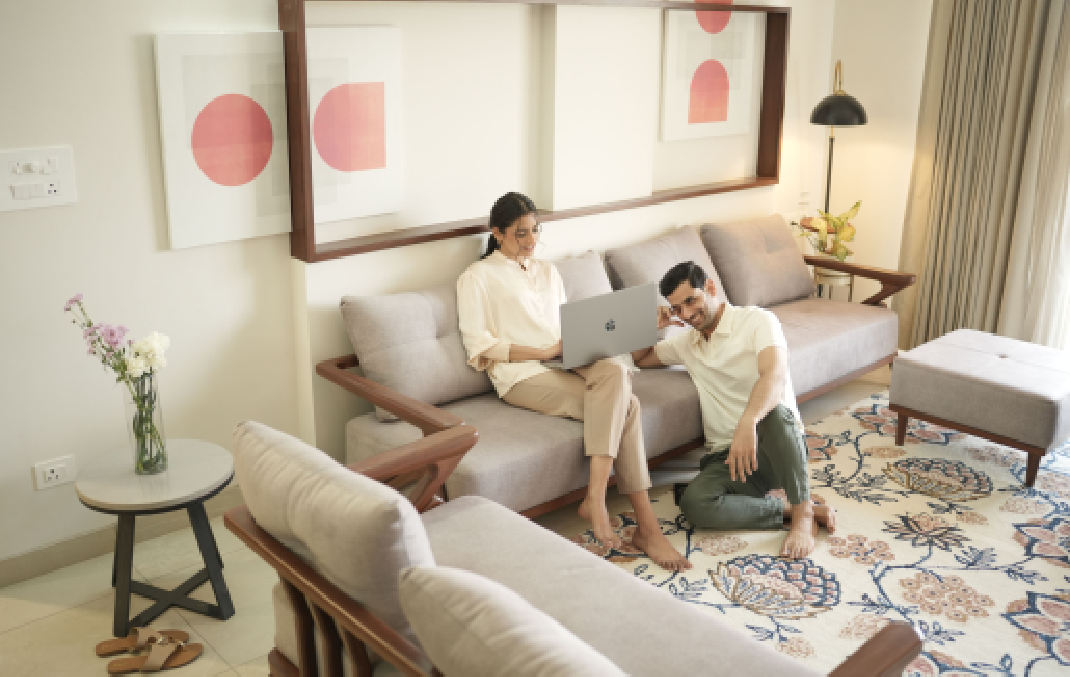
Homebuying in India has become more deliberate and informed. By 2026, buyers approach homeownership with clarity, intention, and long-term thinking. Decisions now extend beyond carpet area and pricing into how a home performs over time. Architecture, planning, comfort, and certainty shape confidence. Modern homebuyers prefer homes that feel composed, resilient, and relevant across years rather than spaces driven by short-term trends.
How Homebuyer Preferences Have Evolved
Today’s buyers evaluate homes through lived experience rather than specifications alone. They assess spatial efficiency, structural clarity, and how environments support calm daily routines. Light, ventilation, circulation, and proportions play a direct role in comfort across seasons and life stages. Homes are judged by how they feel to live in, not just how they look. This shift is visible in design-led residential developments such as Akshat SkyHomes and Sawai, where planning logic and long-term livability guide architectural decisions rather than surface-led appeal.
The Rise of Experience-Focused Residential Living
Experience-focused residential living now defines homebuying decisions. Buyers expect architecture to deliver comfort through orientation, daylight penetration, and cross ventilation. Shaded walkways, framed views, landscaped courts, and transition spaces contribute to a balanced rhythm of life. Projects succeed when architecture supports movement, rest, and interaction without excess. Developments like Sawai reflect this approach through composed planning that prioritises lived comfort over visual performance.
Boutique Living and Low-Density Communities
Boutique living apartments like Akshat Mystique Roop Gulab continue to gain preference among buyers who value privacy, restraint, and thoughtful scale. Low-density planning allows better building management, controlled access, and a stronger sense of identity. Limited units per floor and clear zoning balance personal space with community presence. This preference aligns with residential formats seen at Akshat, where neighbourhood integration and planning clarity reinforce the appeal of boutique living over mass-density development.
The Growing Appeal of Township Living
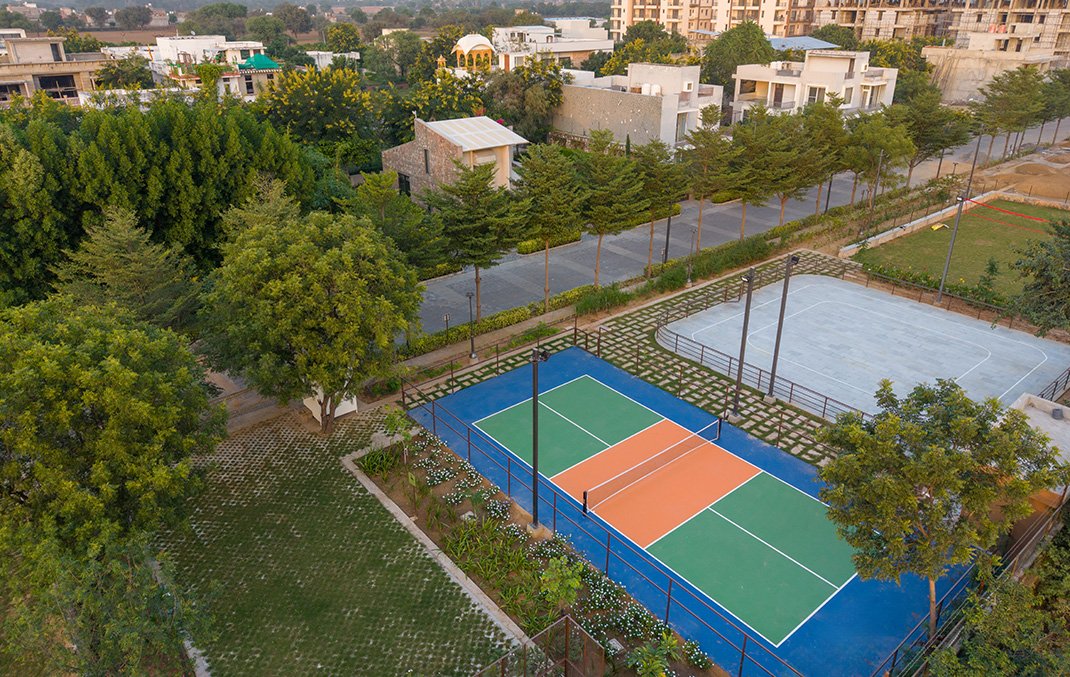
Township living has evolved from scale-driven development to ecosystem-based planning, where land use, movement, and open spaces are carefully structured. Buyers value townships that integrate green buffers, social infrastructure, and legible internal circulation networks, reducing dependence on external travel and supporting balanced daily routines. Within established neighbourhoods, boutique developments such as Akshat Kanota Estate apply the same planning discipline at a smaller scale through controlled density, clear zoning, and contextual integration.
Certainty as a Core Buying Factor
Certainty has emerged as a decisive factor in homebuying. Buyers assess delivery timelines, approval clarity, construction progress, and long-term governance before committing. Developments that demonstrate visible execution reduce decision risk. Residential projects such as Akshat SkyHomes gain relevance by aligning architectural intent with execution clarity and predictable residential performance.
Sustainable Housing and Lifecycle Performance
Sustainable housing features today shape buyer confidence and everyday comfort. Rainwater harvesting, passive cooling, energy-efficient materials, native landscaping, and thermal insulation are no longer seen as add-ons, but as signs of thoughtful planning. Buyers increasingly judge homes by how they perform over time rather than by surface claims. In such developments, sustainability is built into the way homes are planned and constructed, resulting in cooler interiors, lower resource dependence, and long-term living comfort.
Design That Supports Real Life
Functional planning sits at the centre of buyer preference. Homes must support work, family interaction, privacy, and adaptability through efficient circulation and clear zoning. Ceiling heights, daylight access, and spatial flow directly affect comfort. Design that adapts to changing life stages holds enduring value.
Investment Thinking and Location Choice
Investment decisions today increasingly follow end-user logic. Buyers assess rental potential, neighbourhood livability, and long-term desirability through urban structure rather than short-term pricing signals. Location is evaluated in terms of its relationship to green networks, healthcare, education, and civic infrastructure. Residential developments such as Sawai, positioned within established urban contexts, gain relevance as surrounding neighbourhoods mature through planned growth and sustained public investment.
Governance, Climate Responsiveness, and Living Quality
Buyers assess how developments will function years after possession. Maintenance models, governance, and shared space management influence satisfaction and asset longevity. Climate-responsive architecture that manages heat, glare, and ventilation improves daily comfort and reduces energy dependence.
Looking Ahead
In 2026, homes represent intentional architectural choices rather than transactional assets. Buyers seek comfort, certainty, and environments that support growth over time. Modern homebuyers choose spaces where design serves life with care, clarity, and purpose.