PUBLISHED ON - 14 Nov' 2026
Beyond Four Walls: Why Community Living Matters More Than Ever in Jaipur
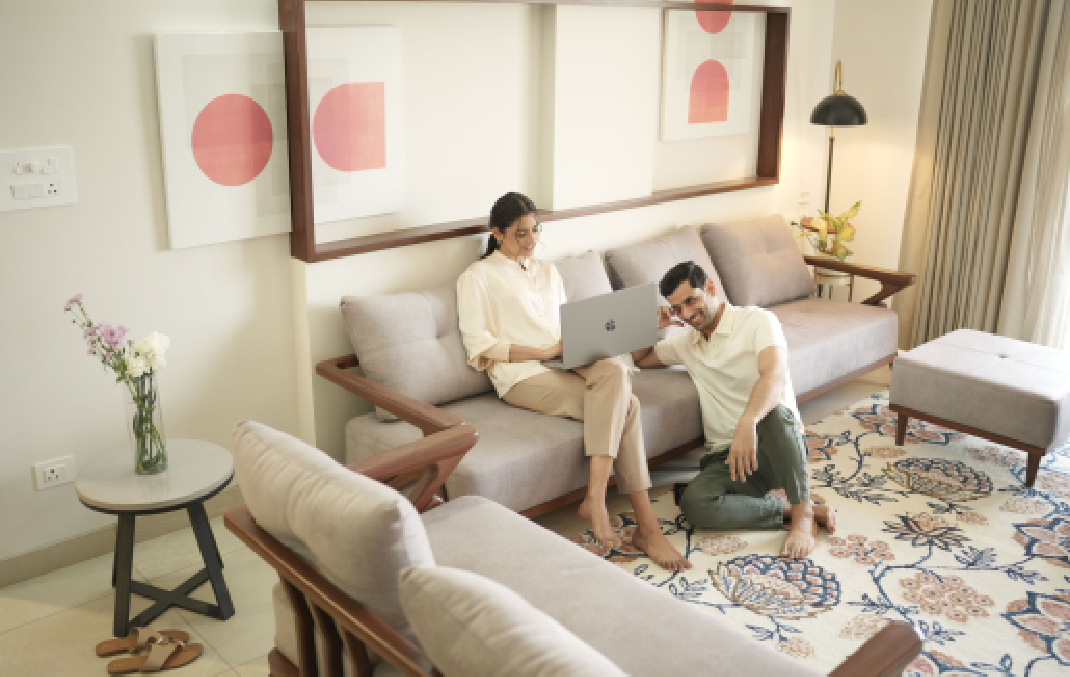
Think about what makes you feel at home in a neighbourhood. It could be the familiar faces you come across during your morning walk, the children who gather to play downstairs, a neighbour who becomes a friend or the simple comfort of knowing that there is always someone around.
These may seem like little things, but they shape how we experience a place long after the excitement of moving into a new home has settled.
For years, residential choices have largely revolved around the apartment itself: its size, location, layout and amenities. Today, however, homebuyers are beginning to look beyond the front door. They want to know what living there will actually feel like. And that brings an overlooked but important aspect of residential development into focus: the community.
A Good Home Needs a Good Neighbourhood
Our idea of family and the way we spend time together have changed. Children have their own activities, adults juggle demanding work schedules, and older parents increasingly prefer a degree of independence. Even within the same family, everyone has a different routine.
Yet, the need to feel connected hasn’t changed.
A child needs friends to grow up with. Parents appreciate having familiar people around. Grandparents value a morning walk, a conversation or simply knowing their neighbours. These experiences cannot be accommodated within the four walls of an apartment, no matter how well designed it may be.
This is why the neighbourhood deserves as much consideration as the home.
A residential community built with the things people have grown to value over time: open spaces, recreational facilities and places for people to interact gives everyday life an entirely different dimension.
The Little Things That Make a Community
A landscaped garden is more than a patch of greenery when it becomes the place where residents begin their mornings. A clubhouse is more than an amenity when it brings people together over a shared interest. A children’s play area becomes far more meaningful when it gives children the freedom to make friends just a few steps from home.
It is these everyday experiences that gradually give a residential community its character.
Good community planning, therefore, is not simply about adding more facilities to a project. It is about understanding how people will use these spaces, what will bring them together and how the environment can make room for different ways of living.
Growing Older Shouldn’t Mean Growing Apart
There is another dimension to community living that deserves greater attention: the changing needs of an ageing population.
India’s senior housing market is expected to see considerable growth in the coming years. A Colliers report published in August 2026 estimates that demand for senior housing could reach approximately 30 lakh units by 2030, against an organised supply of around 25,000 units today.
While this points towards a growing need for dedicated senior-living developments, it also raises a relevant question for mainstream housing: are we planning neighbourhoods where people can remain comfortable and connected as they grow older?
For senior residents, accessible pathways, lifts, well-lit common areas, seating spaces and proximity to essential services can make a meaningful difference. Equally important is having a social environment that encourages interaction without compromising personal independence.
A family-oriented community may not provide specialised elderly care, but it can certainly be designed to make everyday living more accessible and socially fulfilling.
Why Jaipur Is Ready for This Shift
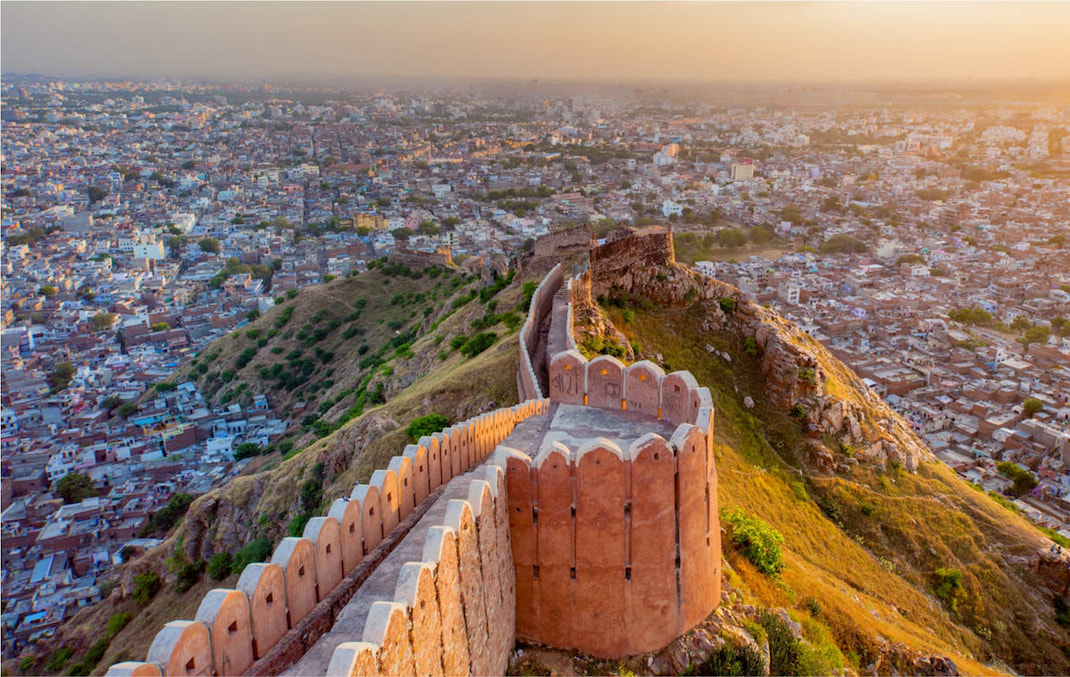
Jaipur has always had a strong sense of neighbourhood. Festivals bring people together, familiar markets become part of everyday routines, and social connections often extend well beyond immediate family.
As the city expands, there is an opportunity to carry this sense of belonging into its newer residential developments.
The growth of residential corridors, improving connectivity and access to healthcare and everyday conveniences are changing where people choose to settle. At the same time, newer developments have the advantage of planning open areas, recreational facilities and shared spaces from the very beginning.
For Jaipur’s homebuyers, this presents an opportunity to look at residential choices differently. Not just in terms of the home they are purchasing, but also the environment in which their family will spend years of their lives.
Bringing Community into the Experience of Living at Akshat Sky Homes
At Akshat Sky Homes, located on Agra Road at Akshat Kanota Estate, the idea of residential living extends beyond individual homes.
Designed for families across generations, the development brings together residences, shared spaces and recreational amenities, offering residents opportunities to enjoy their own routines while being part of a larger residential community.
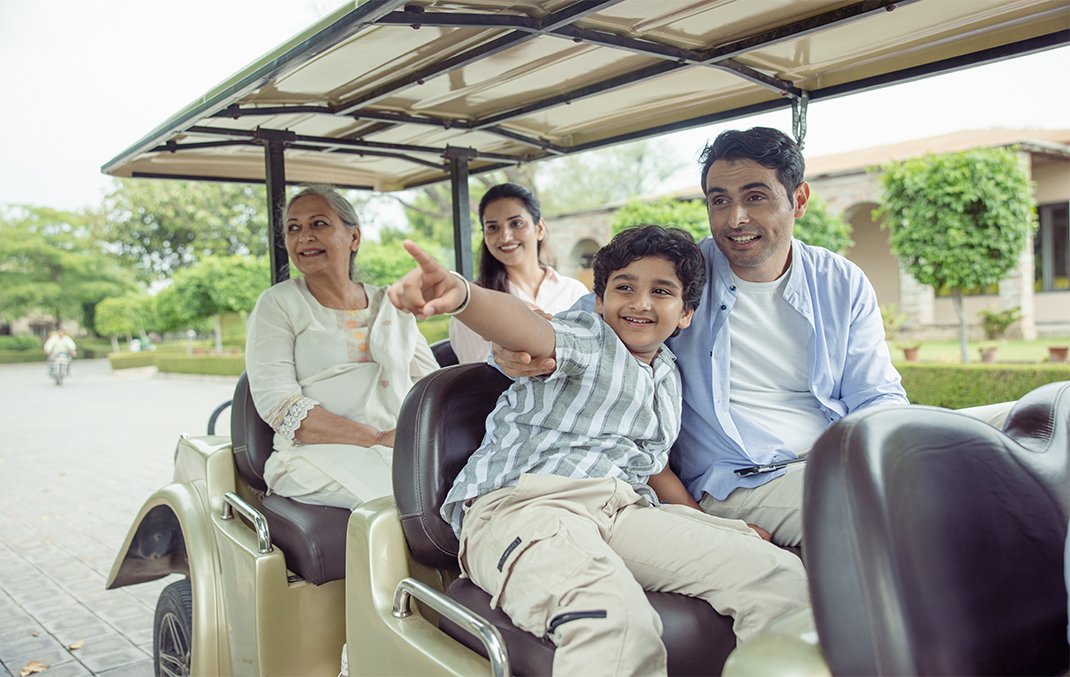
For a family, this means having more than a home to return to. It means an environment where children can find their own little world, adults have spaces to unwind and older family members can remain connected to the people and surroundings around them.
A Home Is Yours. A Community Becomes Everyone’s.
As Jaipur’s residential market evolves, the distinction between owning a good home and enjoying a good living experience will become increasingly important.
The size of an apartment may determine how comfortably a family lives indoors. Its surroundings, however, influence the mornings, evenings, relationships and experiences that make up the rest of their lives.
Perhaps that is what the next chapter of residential development should be about: creating places where people have the space to live their own lives and the opportunity to become part of something larger.
Because the best neighbourhoods are not remembered just for the homes they have. They are remembered for the lives lived around them.