PUBLISHED ON - 26 Oct' 2026
Beyond the Metros: Jaipur’s Place in India’s Luxury Housing Story
India’s luxury housing conversation has long revolved around a familiar pair of cities: Delhi and Mumbai. Different architectural styles, distinct addresses, histories, and cultures, yet one enduring similarity: the aspiration they represent.
These are the cities that come to mind when people think of prestigious homes, coveted addresses, and a certain standard of living. But the next compelling address in India’s luxury housing market has a different case to make.
It does not seek to replicate the metros. It offers something they cannot quite replicate themselves: a different relationship with space, a distinct architectural identity, and a more personal, considered expression of what luxury can mean.
That city is Jaipur.
The Numbers Behind a Changing Market
India’s premium housing market is growing, and the numbers reflect a shift in the country’s residential aspirations. According to the CREDAI–Liases Foras CY2025 report, India’s primary residential sales reached approximately ₹8.46 lakh crore in value, growing 16% over the previous year. Homes priced above ₹1 crore accounted for 78% of total sales value.
The significance extends beyond the numbers. As buyers become more discerning, the idea of an exceptional home is moving beyond size and price. Architecture, privacy, material quality, and the experience of living within a space are becoming equally important considerations. For a city like Jaipur, this presents an opportunity to build a residential identity that speaks to these evolving expectations.
Jaipur Has a Different Story to Tell.
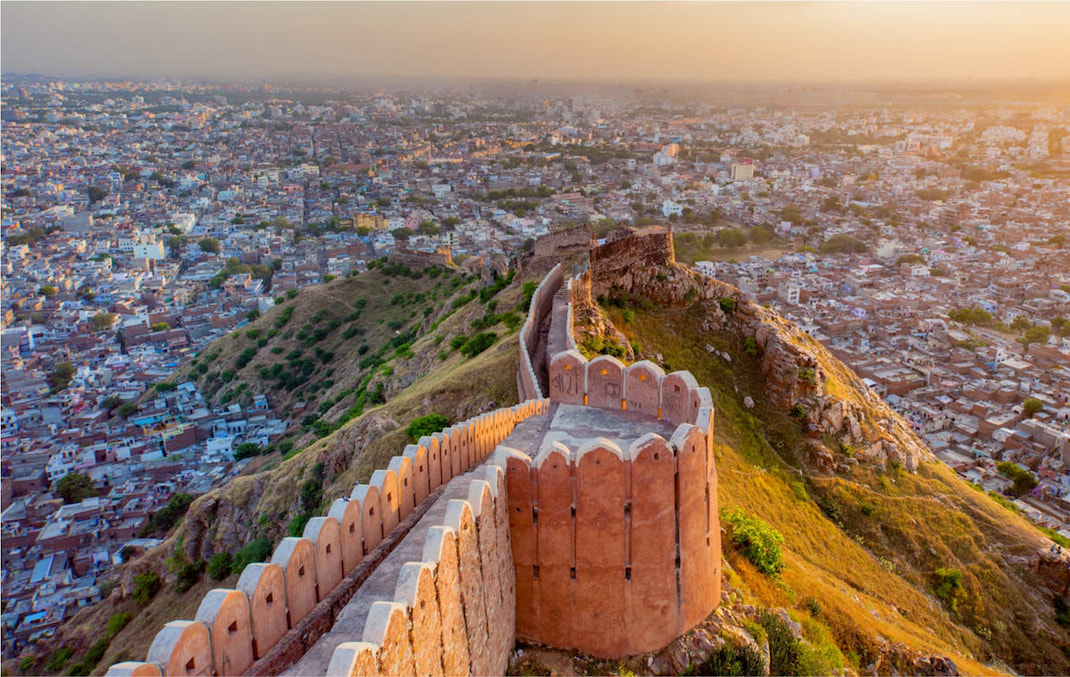
Jaipur has never lacked character.
Its architectural heritage, craftsmanship, and distinctive relationship with color, material, and space give it an identity few Indian cities can claim. But its relevance to the luxury housing market need not begin and end with its past.
The city is growing, its infrastructure is developing, and its residential landscape is evolving alongside the aspirations of its residents. The opportunity lies in bringing these changes together to create homes that reflect contemporary expectations without losing their connection to the city.
Unlike the density that defines much of Mumbai’s residential landscape or the established residential hierarchy of Delhi, Jaipur can offer a different experience of space and privacy. Its architectural identity also provides a foundation for homes that feel individual rather than interchangeable. This is not about offering more for less. It is about offering something different and making that difference count.
When Luxury Becomes Personal
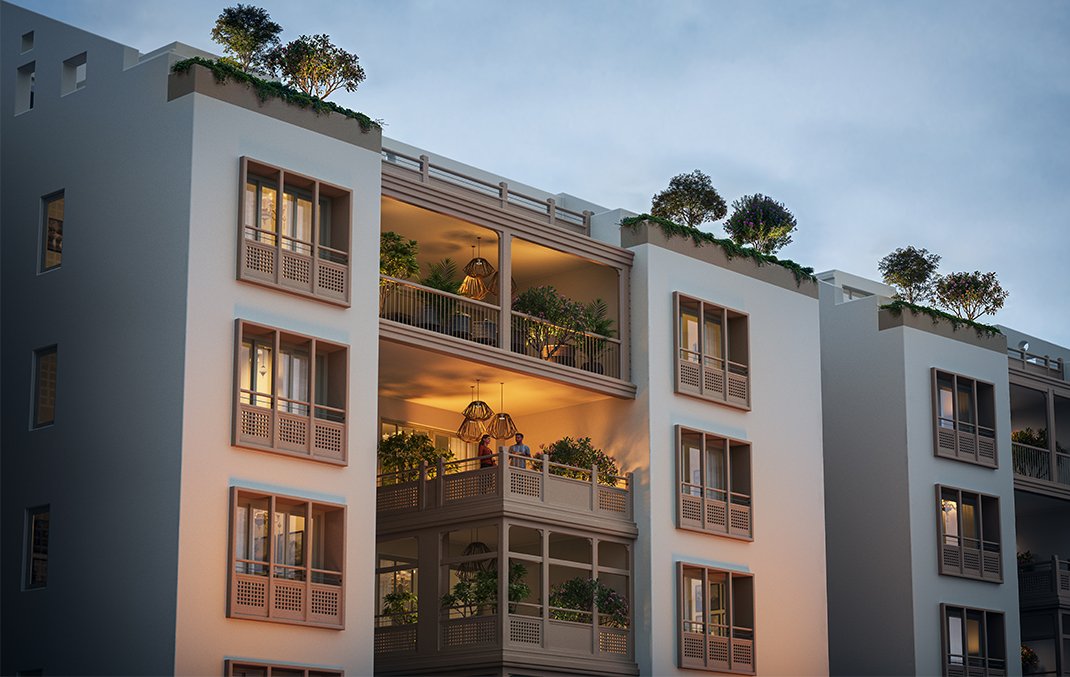
The most compelling homes are rarely defined by a single feature. Their distinction comes from how every element works together: the proportions of a room, the movement of natural light, the privacy of a residence, the quality of its materials, and the way its spaces accommodate everyday life.
This is the thinking behind bespoke and boutique living. It places greater value on individuality, considered design and the experience of living in a home than on display alone. It recognizes that luxury can be found in generous space, architectural restraint, and details that reveal their value over time.
For Jaipur to find its place alongside India’s established luxury markets, these qualities must become more than aspirations. They must be reflected in the homes being built. This is where Akshat’s role becomes relevant.
Akshat: Shaping What Jaipur Can Offer
Since 1995, Akshat has been part of Jaipur’s residential development story. Over more than three decades, the company has had the opportunity to contribute to the city’s changing expectations of home and the standards by which its residences are experienced. The opportunity today is to take that contribution further.
For Akshat, the significance of bespoke and boutique living lies in the decisions behind a residence: how space is planned, how architecture responds to its surroundings, how privacy is considered, and how design continues to serve its residents long after the home is completed. These decisions may not always be the most immediately visible. Yet they shape the experience of living in a home in ways that no specification sheet can fully communicate.
By creating residences that place greater importance on individuality, thoughtful proportions, and enduring design, Akshat can help broaden the perception of what Jaipur’s residential market has to offer. Not by borrowing the identity of another city, but by contributing to an expression of luxury that feels distinctly Jaipur. The distinction is important. A developer cannot establish a city’s standing through a claim alone. It must contribute to the body of work that gives that claim substance.
Jaipur, On Its Own Terms
Delhi and Mumbai have earned their places in India’s luxury housing conversation through decades of development, established addresses, and evolving buyer expectations.
Jaipur’s path will be different, shaped by its own architecture, urban growth, and understanding of contemporary living. Its opportunity is not to become another metro. It is to become a city whose most distinguished residences are sought after for what they offer in their own right.
Akshat’s contribution to this future lies in helping turn that possibility into something tangible through homes that reflect a more considered understanding of space, design, and individuality. Because the next chapter of India’s luxury housing story need not belong to the cities that have always led the conversation. It can belong to a city that has found its own reason to be there.
And for Jaipur, that reason begins with the homes it chooses to build.