PUBLISHED ON - 26 Sep' 2026
30 Years. Creating More Than Just Homes.

Three decades in real estate are measured in more than the projects finished. They are measured by the families who moved in, the children raised there, and the communities that grew around those homes.
It reflects homes that changed hands, vacant plots that turned into flourishing communities, and a city that transformed more than once. Throughout it all, a developer must keep showing up, honouring its promises, and giving people new reasons to trust the name.
That is where a legacy truly begins, not with a founding date, but with everything that comes after it. Akshat was founded in 1995. Thirty years on, its work has become woven into how Jaipur understands home.
Growing alongside a city as it evolved
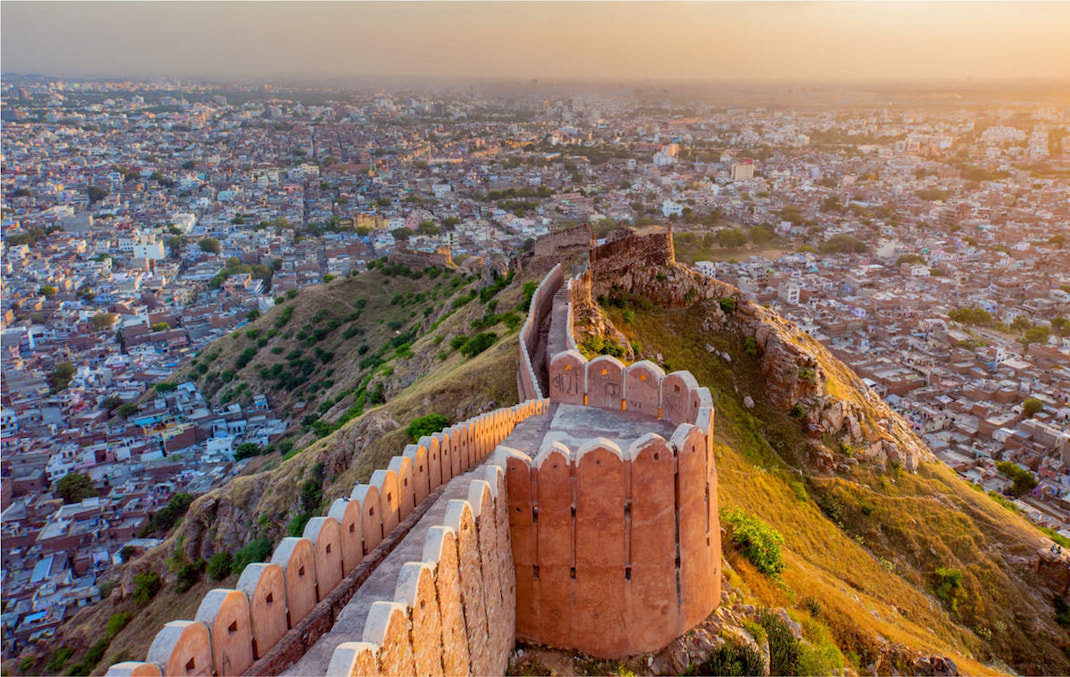
Jaipur as it stands today and Jaipur in 1995 have little in common. Neighbourhoods that were once seen as the city’s outer edge now rank among its most well-established addresses. What a family looks for in a home has changed just as dramatically, moving from four walls and a roof to something that must account for privacy, design, community, and countless other considerations nobody would have raised thirty years ago.
Akshat’s projects map that transformation almost like a timeline. Durlabh and Sky Homes captured one era’s idea of a desirable address. Anugrah and Kanak Prabha, Kanota Estate, Mystique, Retreat, Meadows, Trishala, Nilay, each reflected the assumptions of its own moment. And today Sawai poses a question very different from the one Akshat was answering back in 1995.
The real point isn’t simply that Akshat has built a lot of homes. It’s that no two homes it built were ever the same. Project after project, it kept in mind what Jaipur genuinely wanted, rather than repeating a formula just because it had worked before.
The part that never changes
Real estate works differently. Amenities inflate. Architectural styles come and go within a decade. But a few things can’t be reinvented every few years. Quality is one. Commitment is another. Plain, old-fashioned trust is third.
Quality isn’t the finish on the day of possession. It is how a home holds up ten years later, when nobody’s watching. Commitment isn’t the ceremony of handing over keys. It is the care that continues after. Akshat maintains a dedicated team for renovations, understanding that buildings and their needs evolve with time.
It is this continued care, focus and consideration that keeps even the first families who bought Akshat homes connected with the brand. Because trust is built through what a company does long after the cheque is signed.
That is the difference between a company that has existed for thirty years and one that has earned a legacy in those thirty years. That difference is Akshat.
A home is never just a home.
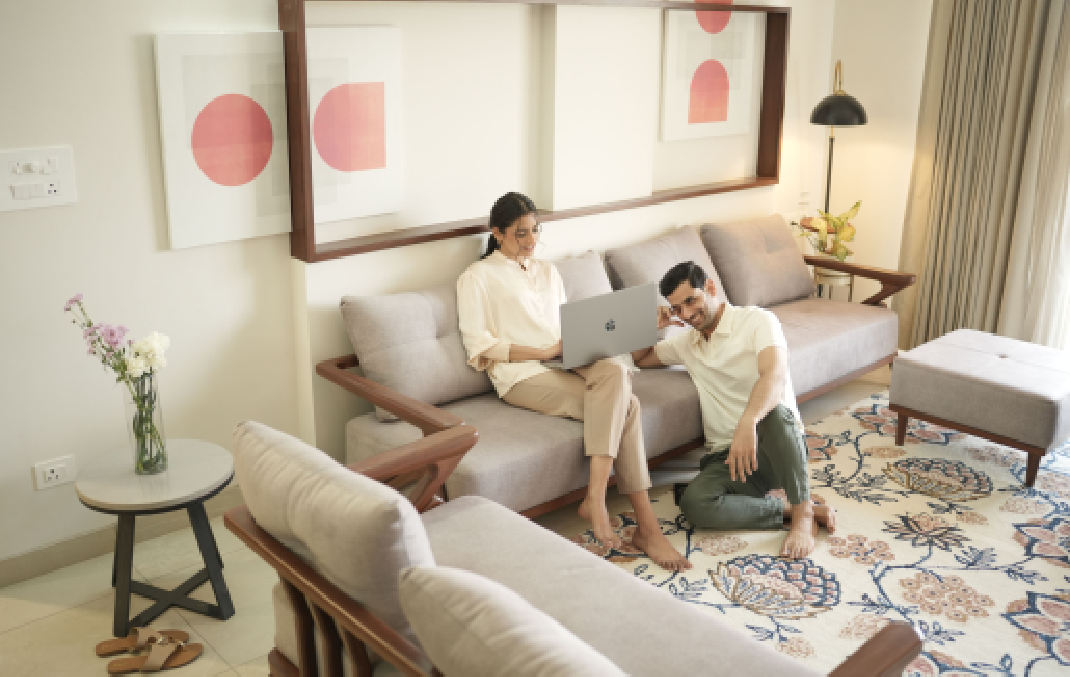
Nobody remembers a project by its façade. They remember what happened inside it. The first morning after moving in. Kids growing up next door to the same neighbours for a decade. Parents moving closer to their children. Families walking back into a house after years away and feeling like nothing had changed, in the best way.
Akshat’s “A Way of Life” positioning isn’t a slogan bolted onto the website. These small moments that make up the definition of a home, which people see as synonymous with Akshat, have made them what they are today.
Thirty years of knowing one city
Akshat isn’t the only building in Jaipur. It has spent three decades studying it, figuring out which neighbourhoods reward patience, which buyers want familiarity and which want a fresh address entirely, and how homes here have grown larger, more private, more attuned to how people actually want to live. That kind of understanding doesn’t come from market research. It comes from being present long enough to watch a city correct its own assumptions.
And then, a newer kind of home
None of this is an excuse to stand still. Today’s buyer has seen homes across cities and continents, cares about design and privacy and sustainability in ways their parents didn’t think to ask about, and expects more as a baseline. Sawai is Akshat’s answer to that shift: a more considered, boutique approach to residential life, built around a different standard for what an everyday home should offer.
Alongside it sits a growing attention to sustainability, water conservation, cleaner energy use, better resource management, and less waste. Not as a checkbox, but as a natural consequence of building for a future the company intends to be part of. What gets built today stays part of Jaipur for decades. That makes every decision about resources and community weigh a little more than it used to.
A way of life isn’t a rear-view mirror.
Thirty years is worth marking. But for a company still actively building, a way of life isn’t something to look back on fondly. It’s a responsibility going forward: protect the trust already earned, keep understanding a city that refuses to stay still, and make sure the next chapter holds up as well as the last one did.
Thirty years ago, Akshat started with a fairly simple belief: that Jaipur deserved homes built with care. That belief has since grown into something bigger, shaped by the families who’ve lived in what it built and the trust that took three decades to earn honestly.
And Akshat is still building. Because a way of life was never meant to be finished. It’s meant to keep taking shape.