PUBLISHED ON - 13 Jul' 2026
When the Interior Reflects the Character of Its City
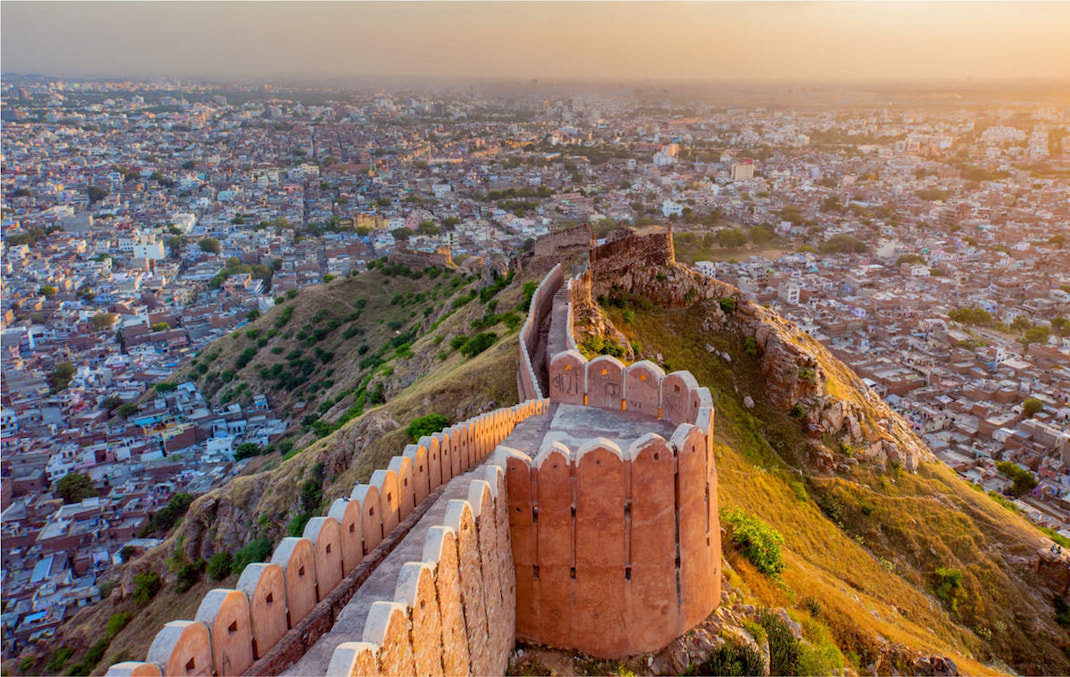
Jaipur is not a city that blends into the background. Long before it became one of India’s most sought-after real estate markets, it was known simply as the Pink City, a title earned from its sandstone facades, its fort-lined skyline, and a sense of proportion that has guided its architecture for nearly three centuries. Every home that comes up in this city inherits that legacy, whether it chooses to honour it or simply borrow its skyline.
This is precisely where most luxury developments lose their way. A marble lobby or an imported fixture can make a home look expensive, but it is not enough to make it feel like it belongs. Buyers today are increasingly discerning about this difference. A residence that carries the spirit of its city, in its name, its architecture, its materials, and its quiet references to the past, tends to stay meaningful long after the trends around it have changed.
The Pink City as a Design Brief
Jaipur’s identity was never accidental. Maharaja Sawai Jai Singh II planned the city with a geometry that balanced grandeur with order, and its sandstone architecture, jali screens, and jharokhas were as functional as they were beautiful, built to soften Rajasthan’s harsh sun while framing the city’s most celebrated views. Any development that positions itself as part of Jaipur’s legacy has to treat this design language as a brief to build on, not just a motif to borrow.
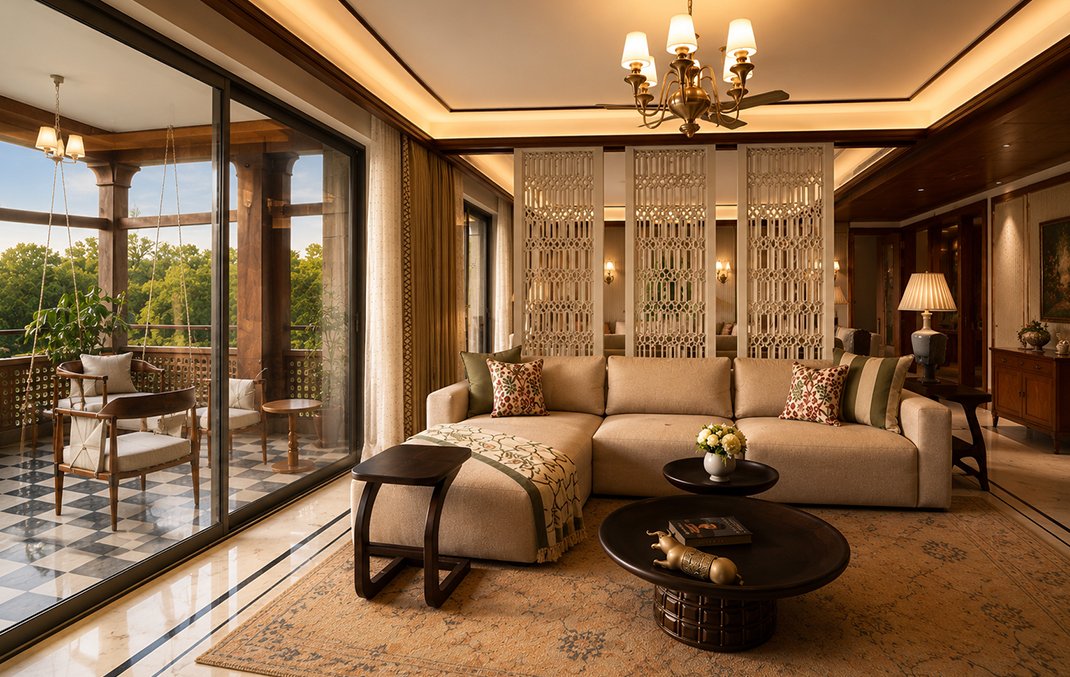
The architecture should reinterpret the city’s regal past through a contemporary lens: stepped towers that echo the layered profile of a Rajasthani mahal, handcrafted jharokhas that recall the city’s most photographed streets, and intricate jali patterns that bring light and air into every residence exactly as they did centuries ago.
Materials That Carry Memory
Character is not only expressed through form. It lives in what a building is made of. Take, for instance, Bijoliya stone, a material native to Rajasthan that ages the way the city’s own forts and havelis have aged, gaining depth rather than losing it. Banswara marble, while being durable and requires minimum maintenance. None of this is decoration for its own sake. It is a deliberate integration of the city outside and the home within, so that stepping into a home never feels like stepping away from Jaipur.
A Home That Belongs to Its City
At Statue Circle, in the heart of Jaipur’s most established address, Sawai stands as a reminder that the most meaningful developments are the ones that read their city correctly before they read the market.
At Sawai, this thinking runs through the project’s name itself, drawn from the very title held by Jaipur’s founder. Local identity is not just a marketing angle. It is what makes a home feel earned rather than assembled.
Bijoliya Stone in its facades, Banswara marble on the flooring, underfoot and handpicked woodwork all come together to bring the same regional sensibility indoors, while the clubhouse houses more than a hundred restored antique doors and windows sourced from Jodhpur, each one a fragment of the state’s architectural history given a second life.
This is why residences rooted in Jaipur’s character, its stone, its craft, and its sense of scale, tend to remain relevant long after generic luxury has gone out of fashion.
To live at Sawai is to live inside that continuity, in a home where the Pink City is not referenced from a distance but built into every wall.