PUBLISHED ON - 13 Apr' 2026
Modern Townships are Bringing Community Living Back
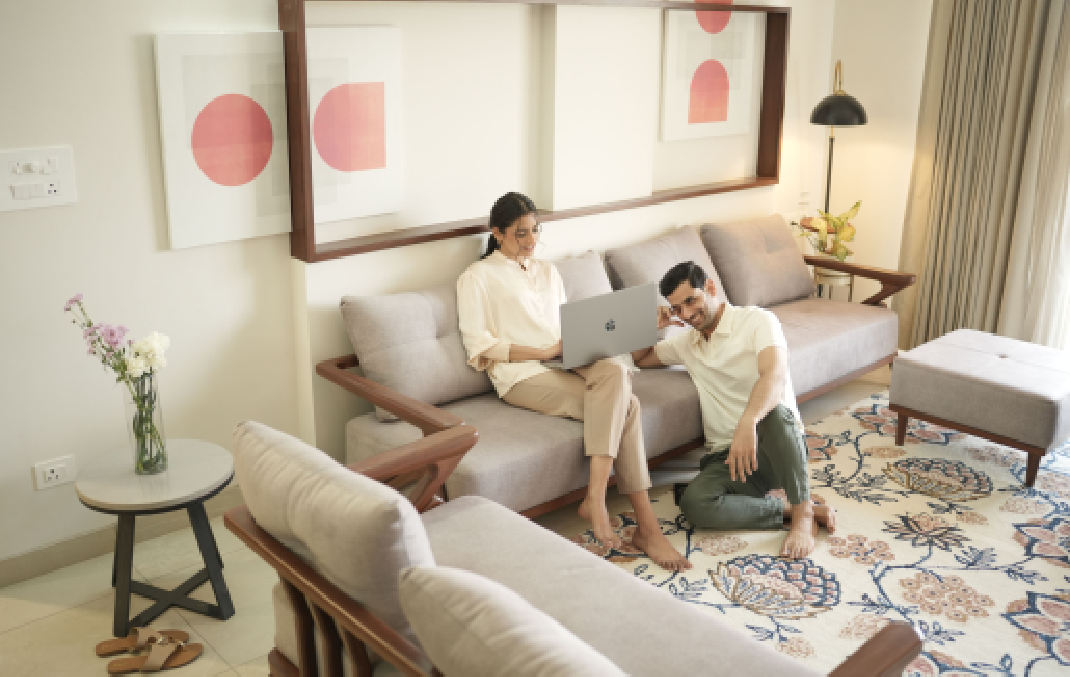
Urban housing has become increasingly restricted. Homes became more efficient, daily routines moved indoors, and interaction was reduced to occasional moments. While this improved convenience, it also created a certain distance between neighbours.
Recent residential planning shows a shift back towards an environment that supports shared living. Community is being shaped through planning, where everyday movement naturally brings people closer within the same environment.
The Shift from Isolated Living to Connected Environments
A township is defined by how people move through it.
When residential zones, open areas, and amenities are planned together, interaction begins to form without effort. Movement extends beyond the home into spaces where people pause, meet, and gradually become familiar with one another.
At Akshat Kanota Estate, homes are placed within a connected layout where each space flows into the next, allowing residents across age groups to move comfortably between private and shared environments. This continuity begins to influence how daily life is experienced within the township.
Why Community Living Matters Today
As cities expand, daily routines become more restricted around time and distance. Travel increases, and the opportunity for informal interaction reduces.
A well-planned township addresses this by bringing essential and social spaces closer together. This creates an environment where different age groups find their own rhythm within the same community.
Children move within safe outdoor spaces, supported through a secure gated environment and a closely connected neighbourhood. Working professionals navigate their routines with ease when daily needs remain within reach. Senior residents find comfort in walkable surroundings shaped by open and green spaces.
At Akshat Kanota Estate, these needs are addressed within a thoughtfully planned setting.
How Shared Spaces Shape Everyday Living
Shared spaces are often viewed as additions to a project. In practice, they influence how daily life unfolds and how residents experience the environment beyond their homes.
During a typical evening, a child moves towards the skating rink while parents take a break near the walking path. The swimming pool sees a mix of routines, some using it for fitness, others for leisure. The gym builds familiarity through repeated presence, while the pickleball court introduces a more active rhythm where conversations happen between games. Nearby, elderly residents settle into shaded seating areas, the evening unfolding at a quieter pace as familiar faces gather, talk, and enjoy the hour together.
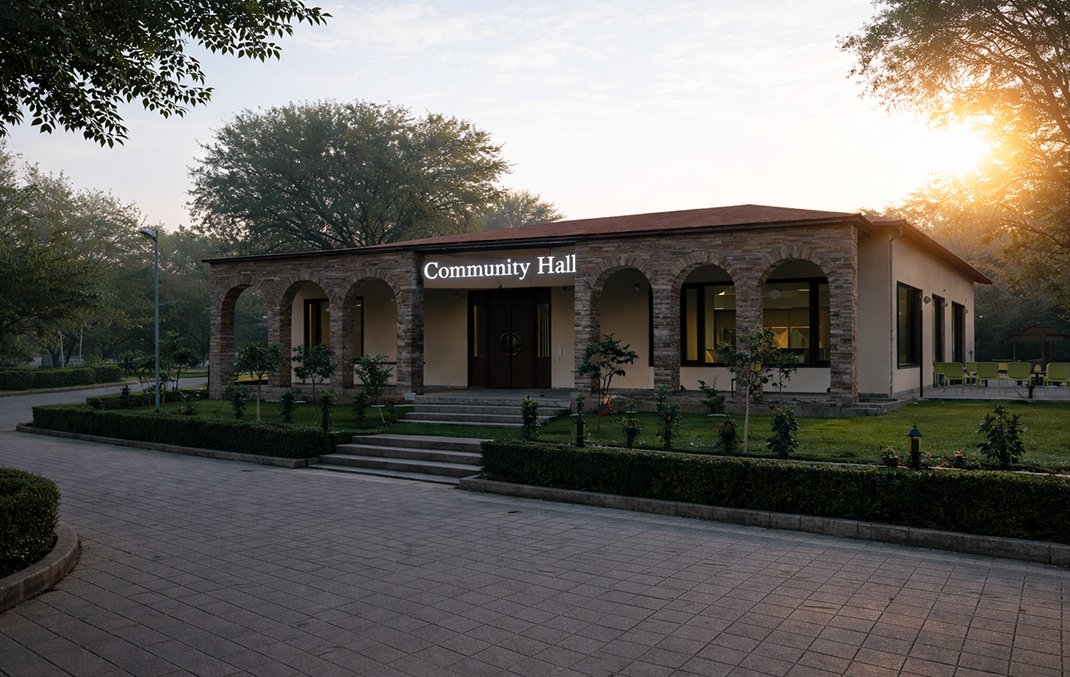
The clubhouse becomes a comfortable indoor space where residents gather, spend time, or simply step out of their homes without a fixed plan. These interactions are not organised, yet they occur often enough to build familiarity and a quiet sense of comfort within the community.
At Akshat Kanota Estate, these spaces are positioned to be part of everyday movement. Residents pass through them, pause within them, and gradually make them part of their routine.
Community Living as a Long-Term Value
A township that supports interaction, accessibility, and shared use tends to remain relevant over time. It adapts to changing needs and continues to serve residents at different stages of life.
Modern townships in Jaipur are gradually shaping the next phase of residential development. Environments are being designed to maintain privacy while allowing connection to remain accessible within daily life.
Community, in this context, emerges from planning decisions that shape how people live, move, and interact over time.