PUBLISHED ON - 10 Mar' 2026
How Jaipur’s New Expressways and Ring Roads Are Reshaping the City’s Real Estate Map
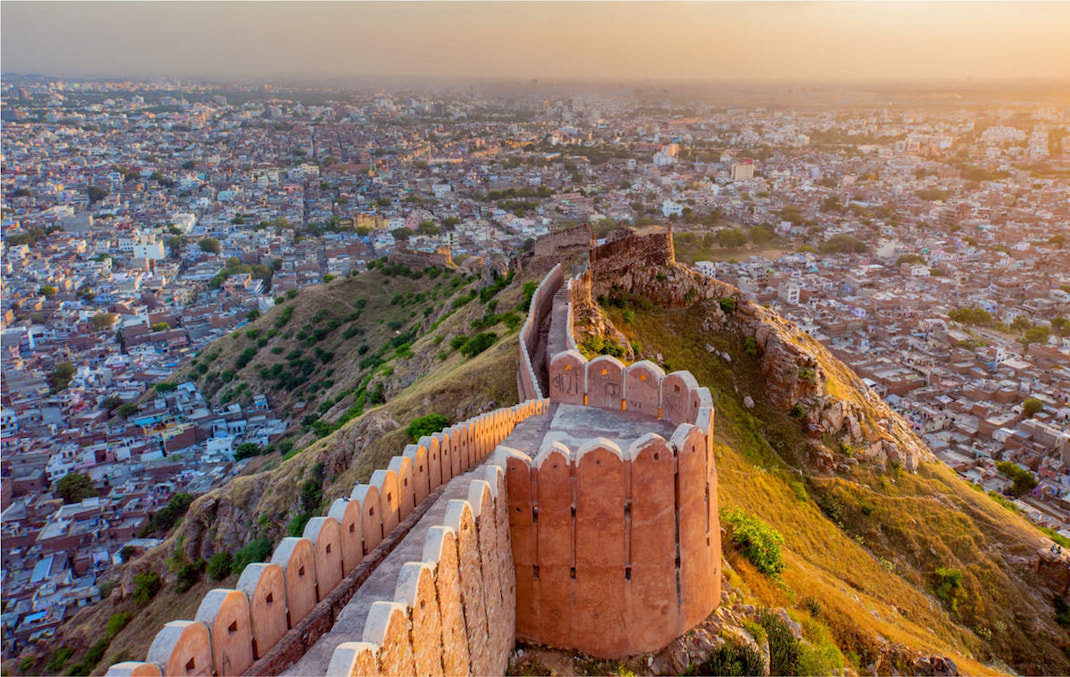
Jaipur’s real estate development is increasingly being shaped by infrastructure rather than traditional city boundaries. Over the past decade, the Jaipur Ring Road, the Delhi–Mumbai Expressway, and new regional highway links have begun transforming how residential demand spreads across the city.
For a city where housing has historically concentrated around established areas such as Civil Lines, C-Scheme, Mansarovar, and premium zones like Statue Circle, Jaipur, this shift marks a significant transition. The concept of location is slowly evolving from proximity to the old city toward accessibility, connectivity, and regional mobility.
Infrastructure Is Expanding Jaipur’s Growth Corridors
Infrastructure plays a key role in determining where urban growth occurs. When large road networks connect peripheral zones with employment hubs, those locations begin attracting organised residential development.
The Jaipur Ring Road real estate development story clearly illustrates this transformation. The Ring Road connects major corridors such as Ajmer Road, Tonk Road, and Agra Road, significantly reducing cross-city travel time while opening large tracts of land for residential and commercial planning. Among these, Agra Road, Jaipur, is emerging as an important residential corridor, supported by its proximity to the Jaipur–Bandikui Expressway and its connectivity to the Delhi–Mumbai Expressway network.
Agra Road, Jaipur, is increasingly emerging as a comfortable residential corridor within the city’s expanding infrastructure network. Compared with several other developing areas, the corridor benefits from relatively lower traffic, better water availability in many pockets, and lower residential density, making everyday living more convenient.
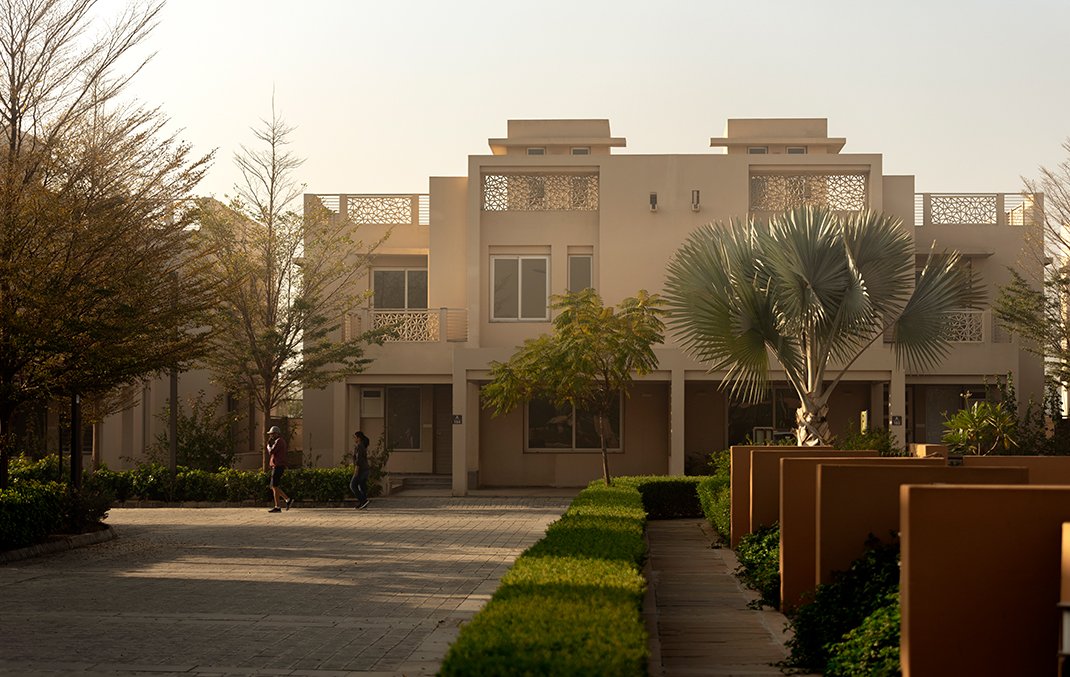
Recognising this potential early, Akshat Apartments identified Agra Road as a promising location for long-term residential growth. Akshat Skyhomes, located along this corridor, reflects that early vision by offering homes in a well-connected and peaceful setting. Positioned within one of the emerging residential corridors in Jaipur, the project combines improved connectivity with a quieter environment away from the congestion of the city centre.
Connectivity Is Redefining the Value of Location
As infrastructure improves, residential property value is becoming more closely linked to connectivity than centrality. Buyers now prioritise access to highways, airports, employment centres, and logistics corridors rather than simply focusing on distance from the historic city centre.
In this context, Akshat Skyhomes, located along Agra Road, Jaipur, positioned within one of the emerging residential corridors in Jaipur, allows residents to reach the old city in roughly 25–40 minutes, illustrating how improving connectivity is shaping Jaipur real estate development.
Akshat Apartments, which analyse infrastructure patterns carefully, often plan projects in areas where improved mobility will support sustained demand. Over time, this approach creates communities that expand alongside the city instead of relying on older residential clusters.
Planned Communities Are Becoming the Preferred Model
Infrastructure-led expansion is also encouraging the rise of organised residential communities. As development moves outward, larger land parcels allow developers to design integrated environments rather than isolated apartment blocks.
Akshat Kanota Estate along Agra Road reflects this township approach. Spread across nearly 55 bighas, the development integrates villas, apartments, and residential plots within a planned community.
Similarly, Akshat Meadows on Sirsi Road, Jaipur, leverages improved sector roads and Ring Road connectivity, aligning with the broader trend of suburban expansion in Jaipur real estate investment. Sawai, our boutique development near Statue Circle, Jaipur, continues to serve buyers seeking luxury homes within the traditional city centre.
Long-Term Real Estate Thinking in a Changing City
Jaipur’s infrastructure roadmap suggests this transformation will continue as the city expands toward a population expected to exceed one crore by 2055. New flyovers, wider highways, and stronger regional connectivity will continue shaping Jaipur’s real estate development patterns.
Jaipur’s expanding road network is therefore doing more than easing traffic movement. It is quietly reshaping the city’s residential map and influencing where the next generation of neighbourhoods will grow.